The Best Electrical Generator In Hangchi


Hangchi Group Co,Ltd.is a professional engine and generator set production factory located in the SmartGrid Industrial Park,Xiyi High-tech Zone,Xinyi City,Xuzhou City.
The total investment of the factory is nearly 1 billion yuan.The company was established in Xuzhou,Jiangsu Province,with a total area of more than 200 acres anda construction area of more than 10,000 square meters.It has 3 ciesel engineproduction and assembly lines,18 national diesel engine test benches,4 generator set assemby lines,I control systemproduction workshop.2 sheet metal automatic painting lines,and 5 generator production lines.
The Electrical Generator Set Introduction
It is not easy to introduce all aspects of custom wood, so we have prepared a lot of information on this page for you to delve into. To make sure you can find the information you want quickly, we have prepared this content directory that will jump to the corresponding location when you click on it.
Application
Hot Products
Cost Analysist
Basic Knowledge
Common Pitfalls
Why Us
General Application
We normal use electrical genset on
Emergency Power Supply – Provide backup electricity during utility power outages for hospitals, data centers, airports, and other critical facilities.
Industrial Operations – Supply continuous or standby power for manufacturing plants, mining operations, oil & gas rigs, and construction sites.
Commercial Buildings – Ensure uninterrupted power for offices, shopping malls, hotels, and educational institutions.
Remote and Off-Grid Locations – Serve as the main power source in rural areas, islands, military bases, and remote research stations without access to the power grid.
Events and Entertainment – Power outdoor events such as concerts, festivals, exhibitions, and sports events where grid power may be insufficient.
Agricultural Applications – Provide energy for irrigation pumps, poultry farms, cold storage units, and other farm operations.
Transportation and Infrastructure – Support airports, railway stations, telecommunication towers, and water treatment plants to maintain critical services during outages.
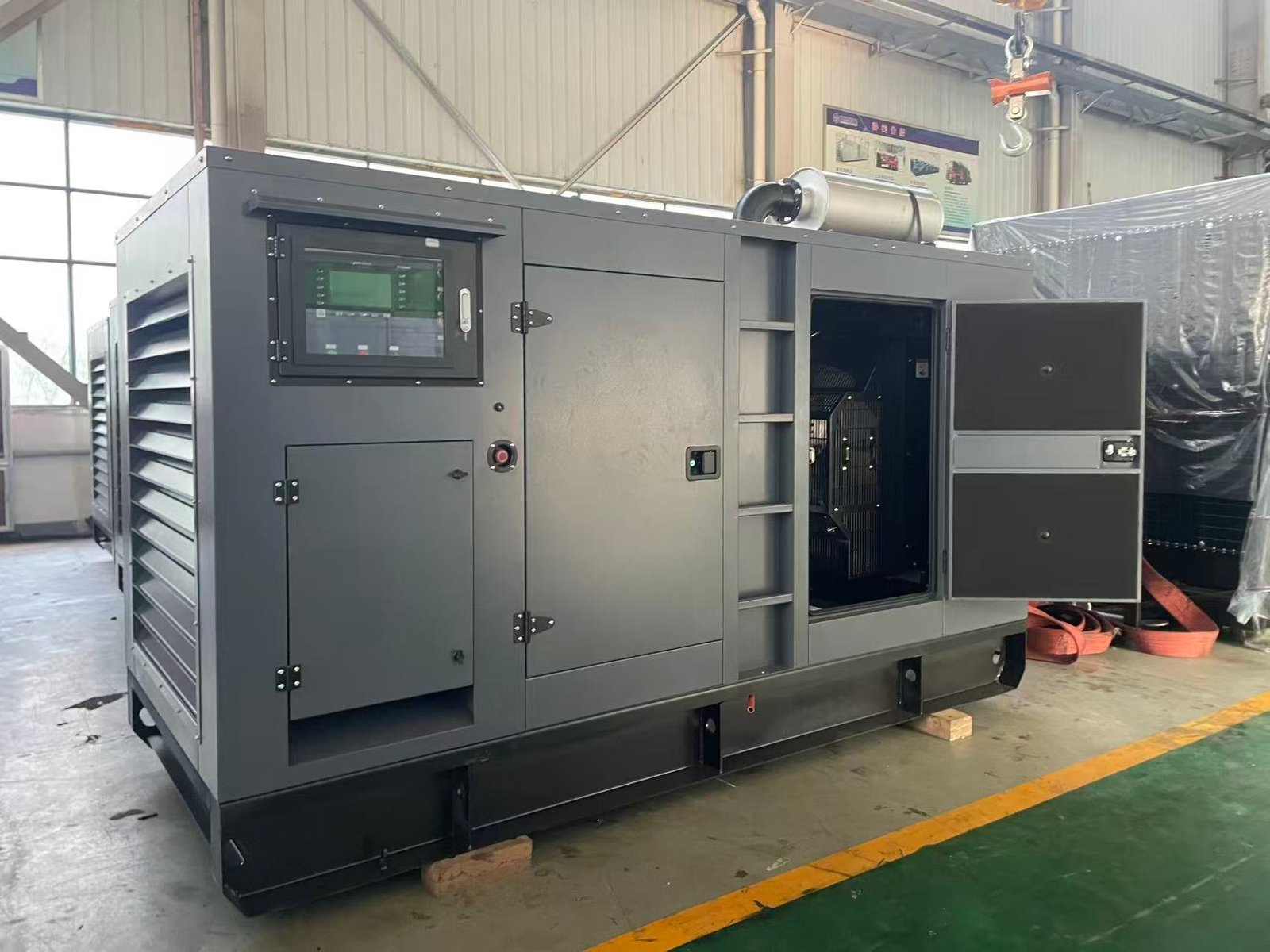
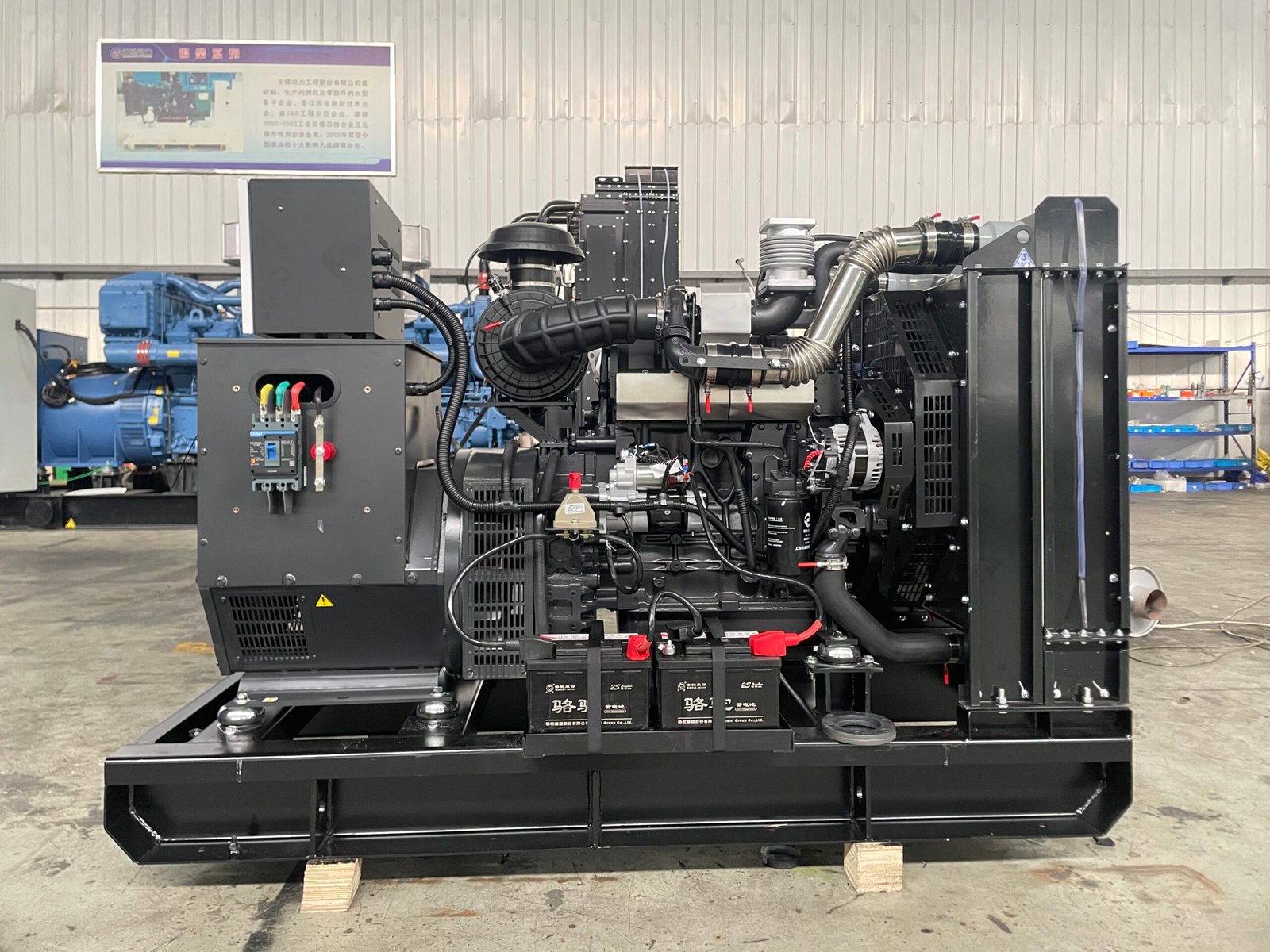
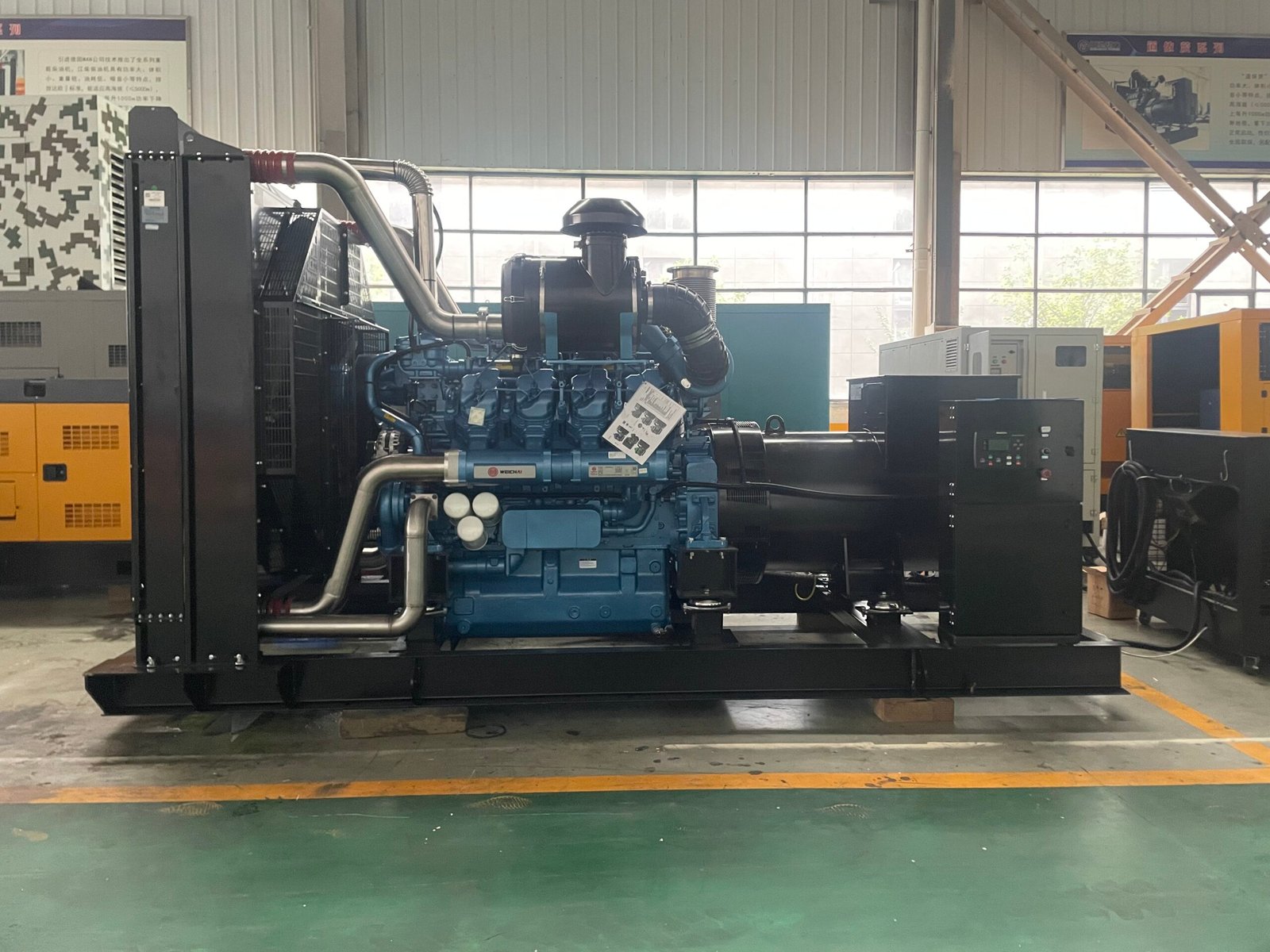
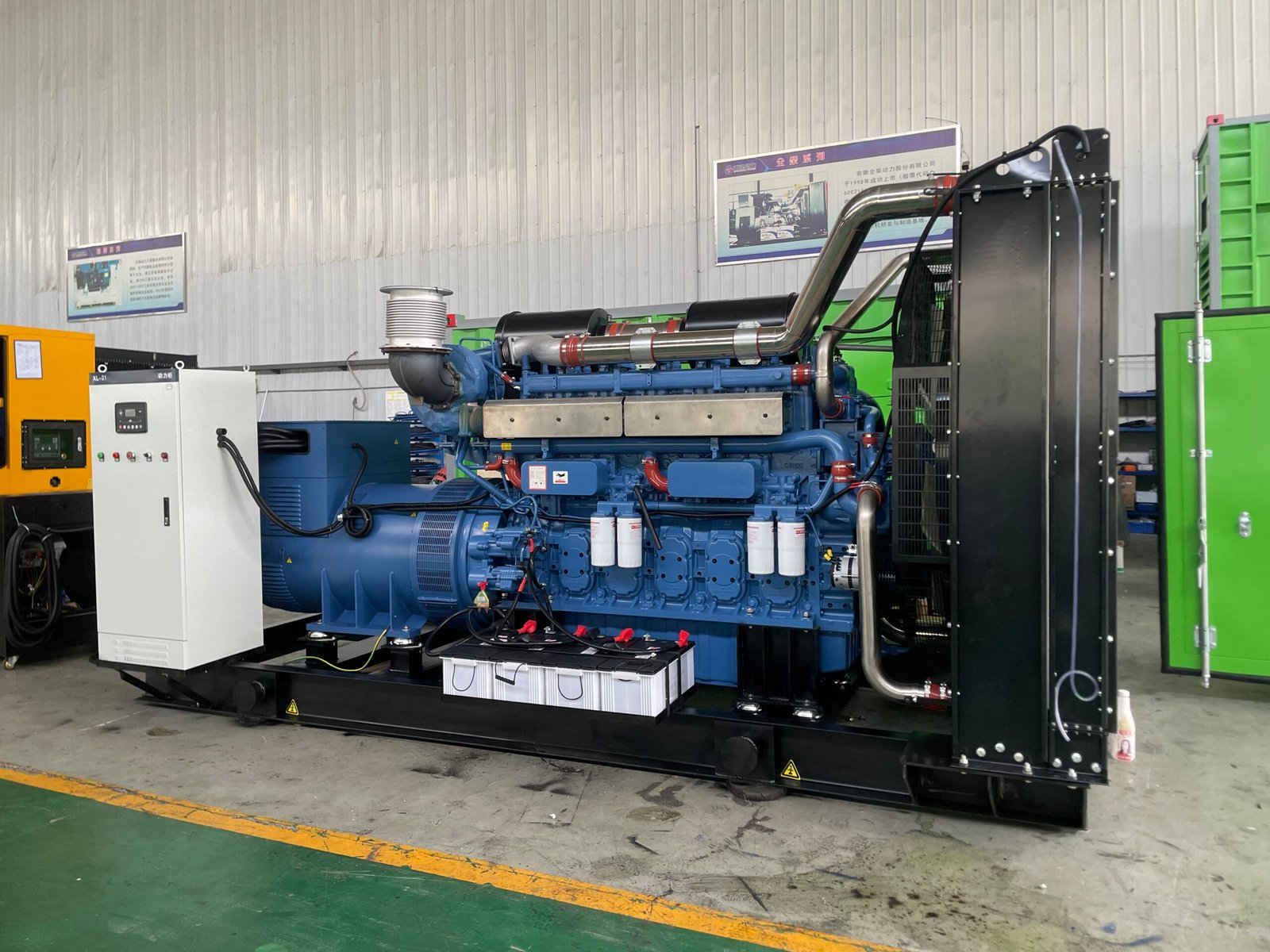
Hot Products.The Electrical Generator Sets.
Generator Paralleling
Generator Truck
High-voltage Generator
Containerized Genset
Soundproof Genset
Mobile Genset
Cost Analysis of Generator Sets: A Complete Guide
Generator sets (gensets) are vital in providing reliable power for industries, commercial facilities, and even residential users. Before purchasing one, businesses and individuals should carefully analyze not only the initial cost but also the long-term expenses associated with owning and operating a genset. Below is a detailed breakdown of the key cost factors.
1. Initial Purchase Cost
The upfront price of a generator set depends on several factors:
Capacity (kVA/kW rating): Larger units capable of powering industrial facilities cost significantly more than smaller residential sets.
Fuel type: Diesel gensets are usually more expensive upfront than gasoline units, while natural gas or hybrid systems may carry an even higher price.
Design: Specialized models such as silent (soundproof) gensets, containerized gensets, or high-voltage gensets add to the purchase price.
Brand & Quality: Premium international brands generally come with higher costs but offer better reliability and longer lifespans.
💡 Example: A 20 kVA diesel genset might cost between $5,000–$8,000, while a 500 kVA industrial-grade unit could exceed $100,000.
2. Installation Costs
The installation phase is often overlooked but can add significantly to the total investment:
Site preparation: Foundation, space allocation, and ventilation setup.
Electrical connections: Switchgear, synchronization panels (for parallel operation), and cabling.
Fuel storage: Diesel tanks, gas pipelines, or other storage systems.
Compliance: Safety inspections and permits.
💡 Installation can add 10–20% of the genset’s purchase cost.
3. Operating Costs
The largest portion of lifetime expense usually comes from daily operation:
Fuel consumption: A diesel generator consumes roughly 0.25–0.3 liters per kWh of energy produced. Fuel prices directly affect running costs.
Lubricants and consumables: Oils, filters, and coolant need regular replacement.
Staffing or monitoring: In industrial sites, dedicated operators or remote monitoring systems may be required.
💡 For a mid-size 200 kVA diesel genset, fuel alone can cost $25–35 per hour of continuous operation.
4. Maintenance Costs
Routine servicing ensures reliability and longer lifespan:
Preventive maintenance: Oil changes, filter replacements, battery checks.
Corrective maintenance: Repairs due to wear, component failure, or improper usage.
Service contracts: Many businesses opt for annual maintenance contracts (AMC) to reduce downtime.
💡 Annual maintenance is usually 2–5% of the initial generator cost.
5. Depreciation and Lifespan
A well-maintained genset can last 15–25 years, depending on running hours.
Depreciation is typically calculated at 8–10% per year, which matters for companies considering resale or asset value accounting.
6. Hidden or Indirect Costs
Noise and emission compliance: Silent gensets or emission control systems may be required in urban areas.
Downtime costs: If a generator fails during an outage, businesses risk revenue loss.
Upgrades & scalability: Parallel operation or expansion of power capacity may require additional investment.
7. Total Cost of Ownership (TCO)
When evaluating a genset, buyers should calculate the TCO rather than just focusing on purchase price.
Formula (simplified):
TCO = Purchase Price + Installation + (Operating Cost × Expected Hours) + Maintenance – Resale Value
This approach gives a clearer picture of the financial impact over the genset’s lifespan.
A generator set is not just an emergency backup—it’s a long-term investment. Businesses and homeowners must consider both direct and indirect costs before choosing the right model. While a low-cost unit might seem attractive initially, higher fuel efficiency, durability, and service support often make premium gensets more cost-effective over time.

Looking for a quoation for electrical genset?
- Are you looling for a reliable factory and product?
- Wanna to get a quote ? Contact with us Now!
Basic Knowledge Of Electrical Genset
What is a Genset?
A genset is a combination of a generator and an engine used to produce electrical power. It works by converting fuel (like diesel, natural gas, or gasoline) into electricity.
How It Works:
The engine burns fuel to create mechanical energy.
This energy rotates the generator, which turns it into electrical power.
The electricity can be used to power lights, machines, or other equipment.
Types of Gensets:
Portable Gensets: Small, movable, used for temporary power (e.g., camping).
Stationary Gensets: Larger, used for backup power at homes or businesses.
Industrial Gensets: Big units for factories or large facilities.
Why Use a Genset?
Backup Power: When there’s no power from the grid.
Portable: Easy to move for different uses.
Reliable: Gensets provide power when needed, even in remote areas.
Maintenance: Keep the engine oiled, change filters, and check the fuel system.
Safety: Use in well-ventilated areas to avoid carbon monoxide buildup.
Common Pitfalls For Electrical Generator

Output Switch
Also known as: Circuit Breaker, Molded Case Circuit Breaker
Divided into: Molded Case, Frame, Drawer Type
One of the important electrical components of the generator set, serving as the key component for power output.
Molded Case Switch Current Range: 63A-1600A
Frame Type, also known as Electric Switch: 1600A-4500A

Marathon Generator: Used by the seaside for 3000 hours, corrosion caused damage. The Marathon three-proof protection is optional.

Incident Description: The customer was involved in overseas construction. When the customer initially purchased the equipment, it was intended for domestic use, and no specific requirements were made for the motor. The customer requested a Marathon motor from the U.S. After the domestic installation was completed, it was shipped overseas for use by the seaside. Within 6 months, the seaside corrosion led to severe consequences.
Why To Choose Our Electrical Generator?

Output Switch – Standard Configuration
Left image: Copper Plate Extension
Right image: High Current Copper Plate Input
Bottom image: Neutral Line Busbar with Double Insulators, Fixed, Meets Requirements

Output Switch
Also known as: Circuit Breaker, Molded Case Circuit Breaker
Divided into: Molded Case, Frame, Drawer Type
One of the important electrical components of the generator set, serving as the key component for power output.
Molded Case Switch Current Range: 63A-1600A
Frame Type, also known as Electric Switch: 1600A-4500A

Black Coating Treatment
Suitable for extremely harsh environments, with protection capabilities exceeding those of standard marine grades.

Insulation Treatment of the Excitation Winding:
The motor coils are impregnated to fill the gaps and micro-pores in the insulation system, forming a continuous resin coating on the coil surface. This bonding process makes the coils into a solid, unified structure, effectively enhancing the overall integrity, thermal conductivity, moisture resistance, dielectric strength, and mechanical strength of the insulation system.

Insulation Varnish, also known as impregnating varnish, is used to impregnate motor coils, filling the gaps and micro-pores in the insulation system. It forms a continuous resin coating on the surface of the coils, bonding them into a solid, unified structure. This effectively improves the overall integrity, thermal conductivity, moisture resistance, dielectric strength, and mechanical strength of the insulation system.

Insulation Bonding Treatment: Serves both insulation and fixing purposes by applying insulating resin.

Impregnation and Painting Process Requirements:
Stator: Slot fill rate 87%,
Rotor: Slot fill rate above 90%. The higher the slot fill rate, the more difficult the vacuum impregnation process becomes. Inadequate impregnation can result in air layers, as air does not conduct heat. This can cause localized high temperatures, carbonization, conductivity, coil short-circuiting, reduced power, excessive excitation current, damage to the voltage regulation board, and motor failure. Therefore, the rotor should be painted with insulating varnish, while the stator should undergo impregnation. The goal in both cases is to solidify and form a unified structure.

We have a professional R&D and design team that can design generator sets according to customer requirements. Once the equipment arrives on-site, the customer can follow the instructions of our company’s commissioning engineer to unload and position the unit. Just prepare the diesel, and the generator is ready to start and use! No complicated procedures or additional items are required.
Latest Electrical GensetNews
What is a Lithium Iron Phosphate Battery? Benefits & Uses
news What is a Lithium Iron Phosphate Battery? Benefits, Uses, and How It Works Gavin Wong Introduction to Lithium Iron Phosphate Batteries: What They Are
Are Solar Panels Worth the Investment?Key Benefits Explained
news Shining a Light on the Benefits: Are Solar Panels Worth the Investment? Dec 12, 2023 One contributor Are solar panels worth the investment? This
FAQ Electriacal Generator
More Questions About Electrical Generator
A generator set (genset) is a combination of an engine and a generator (alternator) that produces electricity. The engine uses fuel (like diesel, natural gas, or gasoline) to generate mechanical energy, which is then converted into electrical energy by the generator.
To select the right genset, you need to consider factors like:
Power requirements: Determine the total wattage of the equipment you need to power.
Fuel type: Diesel, gasoline, or natural gas.
Application: Whether it's for backup power, continuous use, or industrial needs.
Environment: Indoor or outdoor use, and temperature conditions.
Routine maintenance is important to ensure reliable performance. Typically, you should:
Change the oil every 250-500 hours of operation.
Replace air and fuel filters regularly.
Test the system under load every 3 to 6 months.
Inspect the battery, coolant, and exhaust system periodically.
Most gensets run on:
Diesel: Common for industrial and large-scale applications.
Gasoline: Often used in smaller, portable gensets.
Natural gas: Used for commercial or industrial backup power.
Some gensets may also use alternative fuels like propane or biogas.
Common causes include:
Lack of regular maintenance: Not changing oil or filters on time.
Fuel issues: Contaminated or poor-quality fuel.
Overloading: Running the genset beyond its rated capacity.
Corrosion: Particularly for gensets used in coastal or humid environments.
Electrical faults: Faulty wiring, circuit breakers, or control panel issues.
The continuous running time depends on the type of genset, load, and fuel capacity. Diesel gensets can typically run for 8-12 hours on a single tank of fuel under moderate loads. For extended use, refueling may be required. Some larger gensets can run for 24 hours or more if properly maintained.
It depends on the genset type and environment. Most gensets should not be used indoors due to the risk of carbon monoxide poisoning. However, indoor-rated gensets or those with special ventilation and exhaust systems can be used in certain controlled environments like hospitals, data centers, or industrial buildings. Always ensure proper ventilation and exhaust systems are in place if operating indoors.